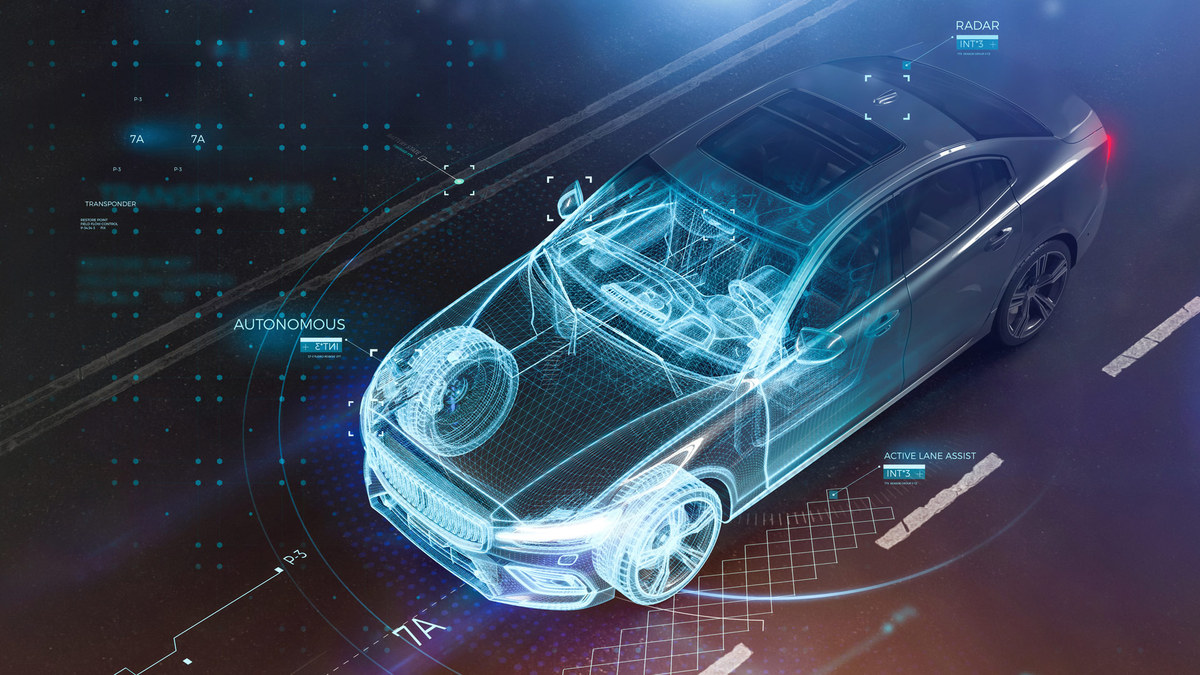
The automotive industry is in the midst of a technological renaissance. With every passing quarter, new advancements emerge that reshape the landscape of mobility, performance, and sustainability. As 2025 unfolds, it’s clear that this year isn’t about subtle upgrades or incremental progress. It’s about bold reinvention. The vehicles of today are smarter, sleeker, and far more intuitive than their predecessors. From AI-assisted driving to carbon-neutral materials, the auto car trends dominating 2025 reflect a convergence of engineering excellence and futuristic vision.
Electrification Becomes the New Norm
Electric vehicles (EVs) are no longer niche products or luxury statements. In 2025, EVs are mainstream. Almost every major manufacturer—from Toyota to Tesla, Ford to Ferrari—has expanded its electric lineup. This shift isn’t just due to environmental pressure; it’s fueled by customer demand for cleaner, quieter, and more cost-efficient options.
Battery technology has seen exponential improvement. Solid-state batteries, once experimental, are now in mass production. They offer higher energy density, faster charging, and greater thermal stability. Range anxiety? A concept of the past.
As a direct result, one of the most defining auto car trends this year is the seamless transition to fully electric fleets—commercial, personal, and even performance vehicles.
Autonomous Driving Gains Traction
2025 is witnessing the rollout of true Level 4 autonomy in select urban environments. Vehicles now handle entire commutes with minimal or no human intervention. Brands like Waymo, Mercedes-Benz, and Hyundai are leading the charge, integrating advanced LIDAR systems, AI neural networks, and real-time data mapping into production-ready models.
Ride-hailing services are quickly adopting this tech to reduce labor costs and increase efficiency. Commuters, in turn, are embracing the comfort of passive travel—catching up on emails, enjoying media, or simply resting while the car does the driving.
Among the most exciting auto car trends is the normalization of self-driving commutes—not just for early adopters but for everyday drivers in major cities around the world.
Sustainability Beyond Electric
Sustainability has transcended the battery. In 2025, automakers are radically rethinking every material used in car construction. Recycled aluminum, vegan leather alternatives made from mushroom roots (mycelium), and bio-based resins are now staples in manufacturing pipelines.
Startups and legacy automakers alike are vying to produce the first truly carbon-negative vehicle. From hemp-based composites to solar-harvesting body panels, innovation has gone beyond fuel types—it’s now about every component and its footprint.
One of the standout auto car trends is the rise of circular production models—where vehicles are designed not just to be built and sold, but dismantled, recycled, and reborn.
Personalization Powered by AI
Mass customization has entered a new era. In 2025, your car knows your preferences before you even step inside. From seat temperature to music playlists, ambient lighting to route selection, AI-driven personalization adapts to your mood, habits, and calendar.
Natural language voice assistants have become co-pilots, capable of executing multi-step tasks with nuance. Want to reschedule a meeting, order lunch, and adjust your suspension for mountain terrain? Just ask.
This hyper-tailored experience is one of the most sought-after auto car trends among premium consumers—demanding not just transportation, but a companion vehicle attuned to their lives.
Integrated Smart Infrastructure
As vehicles grow smarter, so must the world they drive through. In 2025, infrastructure is catching up. Smart intersections now communicate directly with cars, reducing idle time and preventing accidents. Roads embedded with sensors monitor traffic flow, detect hazards, and send alerts to nearby vehicles.
Charging stations are faster, more intuitive, and seamlessly integrated into navigation systems. Cities are even rolling out dynamic lane assignments—shifting lanes based on real-time demand.
These developments are part of the broader auto car trends ecosystem, where cars and cities operate in synchronized harmony to reduce congestion, emissions, and driver stress.
Redefining Interior Design
The cabin is no longer just a cockpit—it’s a lounge, an office, a media center. As autonomous functions increase, automakers are reimagining interiors to reflect comfort, connectivity, and flexibility. Swiveling seats, panoramic touchscreens, and retractable steering columns are already hitting the market.
Augmented reality heads-up displays (HUDs) project navigation and hazard warnings onto the windshield. Touchless controls using gesture or eye tracking add an element of futuristic interaction.
These innovations are part of the experiential auto car trends wave—where the emphasis lies not just on performance, but on enhancing the time spent inside the vehicle.
Compact Luxury and Urban Elegance
While SUVs continue to dominate global sales, 2025 has seen a counter-trend emerging in urban hubs: the rise of compact luxury vehicles. Micro-EVs, designer city cars, and urban crossovers are being crafted with premium materials and smart tech.
These vehicles don’t sacrifice elegance for size. Instead, they offer nimble performance, high-end design, and sustainable features—all in a footprint suited for congested cities.
This refinement of the small car category is one of the fastest-growing auto car trends, especially among younger buyers prioritizing style, sustainability, and practicality.
Subscription and On-Demand Ownership
Ownership itself is being redefined. Car subscription services have exploded in popularity, offering flexibility and variety over long-term commitment. Drivers can now swap vehicles seasonally—an SUV for winter, a convertible for summer—all within a single contract.
This trend is bolstered by digital platforms that offer full transparency, no-haggle pricing, and on-demand servicing. It’s convenient, fluid, and built for a generation that favors access over possession.
Among emerging auto car trends, this shift in ownership philosophy is perhaps the most disruptive—challenging how consumers relate to vehicles altogether.